Top Mulch Questions: Types, Application Timing & Benefits
Weed Control is just one reason homeowners start thinking about mulch types and application. Mulch is one of the easiest ways to not only add a visual component to your landscaping, it helps improve the health of your landscape. Properly applied mulch will reduce encroaching weeds and moisture loss. Mulch acts as a protective layer of material spread over the soil between landscaped plants to support plant health, regulate temperature, and improve curb appeal.
In this guide we will go layer by layer when it comes to the best mulch types and benefits.
We will cover:
• Types of Mulch — What They’re Made Of & Where They Work Best
• When and How to Apply Mulch (Depth, Refreshing, Edges)
• Matching Mulch to Goals — A Quick Selector for Benefits & Aesthetics
•
Does Mulch Attract Pests—or Is It Safe for Pets and Gardens?
The Right Mulch Improves Moisture Control, Weed Suppression, and Soil Health
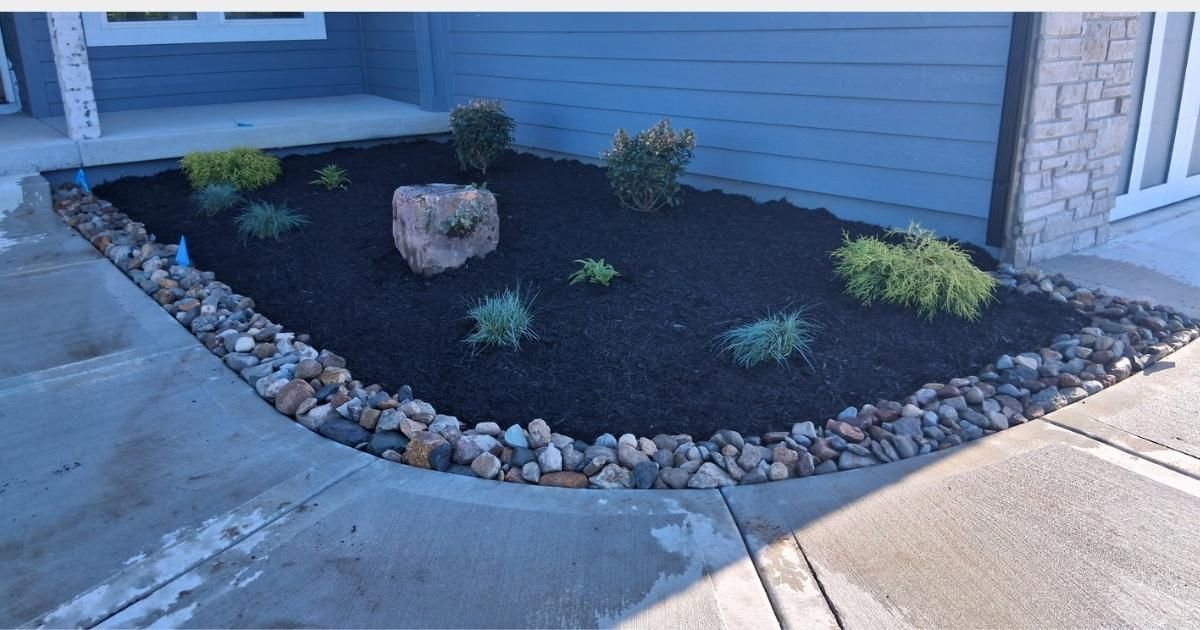
Choosing the best mulch types and benefits for your property often depends on where your landscape is in its lifecycle and what you want to achieve.
New Landscaping Installations
Mulch helps newly planted trees, shrubs, and flower beds retain moisture, reduce weeds, and establish stronger root systems while giving fresh landscaping a finished look.
Refreshing Existing or Inherited Beds
Replacing faded or compacted mulch is one of the quickest ways to improve curb appeal, redefine planting areas, and support healthier soil conditions.
Temporary Support for Young Plants
Mulch is often used around young trees, hedges, and foundation plantings for the first few years to conserve moisture, regulate soil temperature, and reduce plant stress during establishment.
The best mulch choice ultimately depends on your goals, local climate, and maintenance preferences
whether that means weed control, soil improvement, appearance, or long-term durability.
Types of Mulch — What They’re Made Of & Where They Work Best
Like most things, mulch types vary greatly and which one you choose depends on a variety of factors. Each one serves a slightly different purpose. Understanding the various types of mulch helps homeowners choose the best fit for your project whether it’s a brand-new landscaping or some improvement of existing space.
Many people ask, what is mulch made of? Mulch falls into two categories: organic and inorganic.
Organic Mulch: You might be surprised to learn one of the one of the two types of mulch, organic mulch, is meant to eventually, safely, break down and become a nutrient rich soil component. Types include:
- Shredded hardwood mulch – Common and durable, helps suppress weeds.
- Cedar mulch – Prized for aroma and color contrast.
- Pine straw or pine needles – Pine straw is especially valuable on sloped beds, it resists washing out.
- Leaf Mold, Lawn Mulch & Compost – A valued addition to vegetable/fruit planting, prevents weeds and becomes a valuable nutrient component, rebuilding the soil as it decomposes.
Inorganic mulch options include:
- Stone or river rock - Great for pathways and low maintenance, low-water landscaping.
- Rubber mulch – Used in playgrounds, can be used in other applications but is not great for large use among living plants.
In warmer climates, lighter-colored mulch may help reduce heat absorption, while darker mulches can create bold contrast around shrubs and flowers.
When and How to Apply Mulch (Depth, Refreshing, Edges)
Once you’ve decided on the material you want, it’s time to talk about proper mulching techniques.
Spring is one of the best times to apply mulch, most plants are at their smallest or being newly planted, it helps trap moisture in the soil and reduce weed growth before summer heat arrives.
Fall is another ideal season because mulch can help insulate roots and protect plants from temperature swings.
Most mulch options should be applied at a depth of about 2–3 inches. This depth effectively inhibits weeds without choking off the plants. Leave a small perimeter around stems, a few inches gap between tree trunks and foundations. Don’t create mounds or ‘volcanos’ which can invite pests and suffocate delicate plants. Using landscape edging not only creates a neat appearance, it can help keep more mulch in place. Different materials require different refresh schedules:
• Hardwood mulch often needs refreshing annually.
• Pine straw may need topping off seasonally.
• Cedar typically lasts longer than standard wood mulch.
• Rock or stone may only require occasional maintenance.
Matching Mulch to Goals — A Quick Selector for Benefits & Aesthetics
If you are unsure what type of mulch is best, the answer depends on your priorities.
For weed suppression:
- Fine shredded bark mulch works well because it creates a dense layer that blocks sunlight.
- Landscape fabric combined with rock can provide low-maintenance weed control in decorative areas.
For soil health and moisture retention:
- Compost, bark mulch, and leaf mold improve soil structure as they break down.
- These are often considered a good mulch for flower beds because they help plants retain moisture naturally.
- For low maintenance and longevity:
- Stone and river rock are excellent for pathways, xeriscape landscaping, and areas where long-term durability matters.
Matching mulch to the needs of your property helps maximize both beauty and performance.
Does Mulch Attract Pests—or Is It Safe for Pets and Gardens?
There have always been rumors that mulch may attract insects or rodents.
Pest problems typically occur when mulch is piled too deeply or pushed directly against siding, tree trunks, or foundations.
Check out how lawn aeration helps your lawn look it’s best. Read More
Pet safety is also important. Most organic mulch is safe for pets although cocoa mulch should generally be avoided around dogs because it may contain compounds that are harmful if ingested.
For home gardens or flowering plants, areas that you want to encourage pollination, untreated natural mulch is the safest choice.
Choosing the right mulch is not just about looks, it can offer long-term benefits.
Choose the Right Mulch for Long-Term Results
Choosing the right mulch starts with identifying your landscaping goals. Whether you want stronger weed control, healthier soil, improved moisture retention, or a low-maintenance finish, selecting materials that fit your climate and maintenance preferences is key.
Understanding the best mulch types and benefits also helps homeowners apply mulch at the correct depth and refresh it at the right time for lasting results.
If you are ready to improve your landscape,
Galvan’s Lawn & Landscape can help with professional mulch installation and seasonal bed refreshing services that keep weeds under control and your property looking its best year-round.
Contact us today!