What Is Landscape Edging and Why It Matters
Lawn edging is a crucial part of hardscaping services that enhances your property’s appearance and boosts its value. What is landscape edging? Thanks for asking. It’s a defined border that separates grass from flower beds and walkways, giving landscaping a clean, organized look. Landscape borders add structure to your yard, boosting curb appeal and reducing lawn maintenance; they are often one of the first things people notice about your property.
This guide covers the purpose of lawn edging, design considerations, material types, and how to choose the option that’s right for your yard.
Table of Contents
Edging Creates Clean Lines, Protects Beds, and Simplifies Care
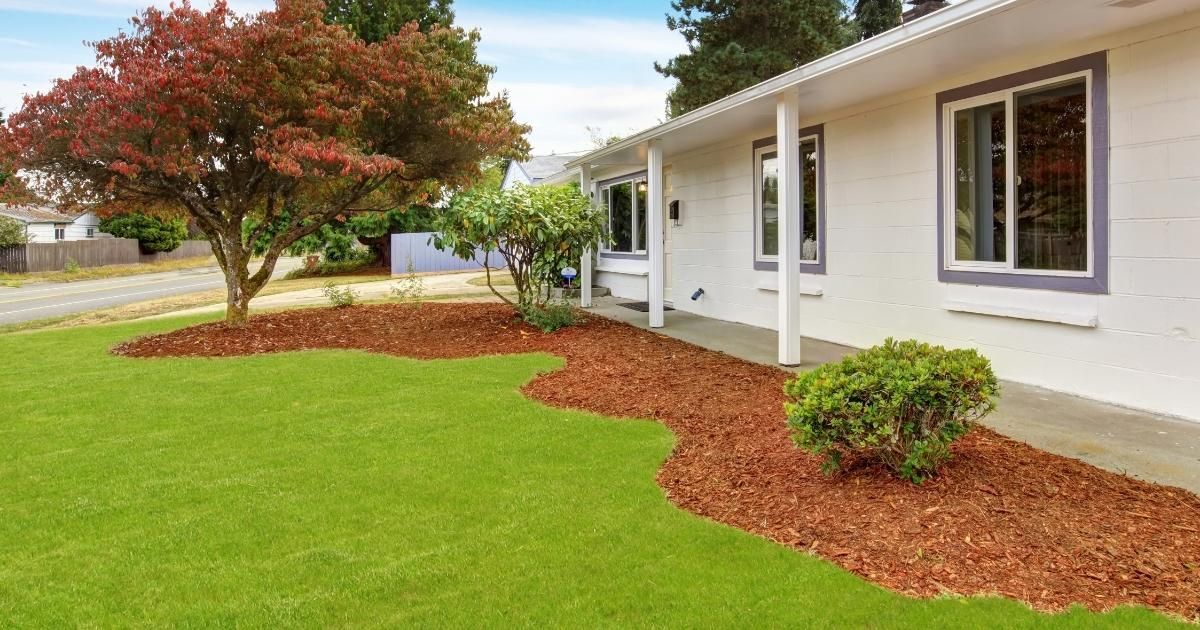
Beyond aesthetics, landscape edging separates lawn turf from planting areas, keeping mulch and soil in place. Yard edging simplifies lawn care by preventing grass from invading flower beds, reducing yard maintenance such as weeding and trimming.
The best edging for your yard's lawns and borders depends on your budget, goals, and property style. You’ll want to choose materials and styles to fit your vision and site conditions.
What Edging Actually Does (Function & Benefits)
Quality lawn edging is beautiful and functional. Properly installed yard edging protects your landscaping by channeling water for optimal erosion control. With edging, landscaping remains attractive with less trimming, easier mowing, and seasonal cleanup.
Types of Landscape Edging (Materials & Use Cases)
Shop around, because there are many edging types with materials in different price ranges, styles, and benefits. To guide your decision, consider your design goals, budget, and site conditions.
Here are a few lawn edging options you will discover while shopping:
Natural trench – This type is simple, budget-friendly, and ideal for flexible, curved lines, but requires regular upkeep.
Plastic/composite - These are cost-effective, great for curves, and used as basic edging for lawns and borders.
Steel/aluminum - This durable type requires little maintenance and is perfect for a look with crisp, modern lines.
Pavers, brick, or stone – For those looking for decorative, long-lasting edging that adds amazing structure and visual appeal, these are perfect.
Concrete curbing – Concrete is also an edging material that offers high visual impact and strong durability.
Wood/timber – For a rustic look, there’s edging in wood or timber, but it does require attention to wood rot for maintenance.
The material you choose should be based on your aesthetic and the conditions of your landscape.
Design, Installation & Choosing the Right Material (Selector Inside)
Yard edging starts with a good design and a proper installation. Be consistent with bed depths, use a stable base or a stake, and design smooth curves over tight angles for a natural flow. Edging at the right height, with clean transitions at walkways and driveways, blocks grass runners, making maintenance easier.
- Match the material type to your landscaping edging ideas and needs:
- Crisp, modern lines: use steel or aluminum
- Decorative permanence: use pavers, brick, stone, or concrete
- Flexible, low cost: use plastic/composite or natural trench
Balance your style vision with materials suited to your durability goals, budget, and maintenance requirements for results you’ll enjoy for years.
How Much Do Edging Options Cost—and How Long Do They Last?
The cost for landscape edging and its longevity depend on the material. When considering your budget, also factor in the long-term maintenance requirements. A higher upfront cost for lawn edging could save you money over time and end up being the most economical option. The following prices are averages for different edging options. Labor rates and project complexity will affect the cost.
Plastic Lawn Edging: $3 to $7 per linear foot. While budget-friendly, plastic edging requires maintenance after the ground shifts with weather fluctuations.
Composite edging: $3 to $7 per linear foot. Composite is an upgrade over plastic, offering added durability or decorative elements at a slightly higher price point.
Curious about lawn aeration and should you DIY?
Steel or aluminum edging: $5 to $12 per linear foot. Steel and aluminum lawn edging offers crisp lines and is durable, with occasional checks for rust or finish wear.
Pavers, brick, concrete, and stone:
These types cost more initially, but offer long-lasting results with fewer maintenance requirements. Joints should be filled, and the surfaces leveled to maintain them. Installation costs vary widely by material.
Brick edging: $8 to $16 per linear foot. Brick is used for traditional, formal borders for a durable, classic look.
Natural stone edging: $10 to $22 per linear foot. Perfect for premium, rustic, or high-end landscapes (including slate, limestone, and travertine), natural stone edging comes with a higher price tag.
Concrete curbing (paved or stamped): $5 to $8 per linear foot, but the price depends on width and layout.
Natural stone pavers: $6 to $25 per linear foot. You’ll pay more for stone pavers because of the cutting, setting, and edge detailing for installation.
To ensure the durability of your edging, choose a compatible option with your climate and maintenance requirements, as soil conditions, drainage, freeze-thaw cycles, and mower traffic all play a role. For trustworthy, expert advice, call Galvan’s Lawn and Landscape; they are knowledgeable about the products and the local Kansas City area.
Make Edging Work for Your Landscape
When well-designed lawn edging is installed, it enhances your curb appeal, protects planting beds and landscaping, and requires less maintenance. Choose design styles and materials that align with your home’s style, maintenance goals, and site conditions. Materials with a higher “up-front” cost can be most cost-effective over time. A good balance between your budget and quality will ensure long-term performance.
Ready to upgrade your landscaping? Our team at
Galvan’s Lawn & Landscape
will help you design and install edging that perfectly fits your needs.
Call today to explore the possibilities for your landscape borders.